
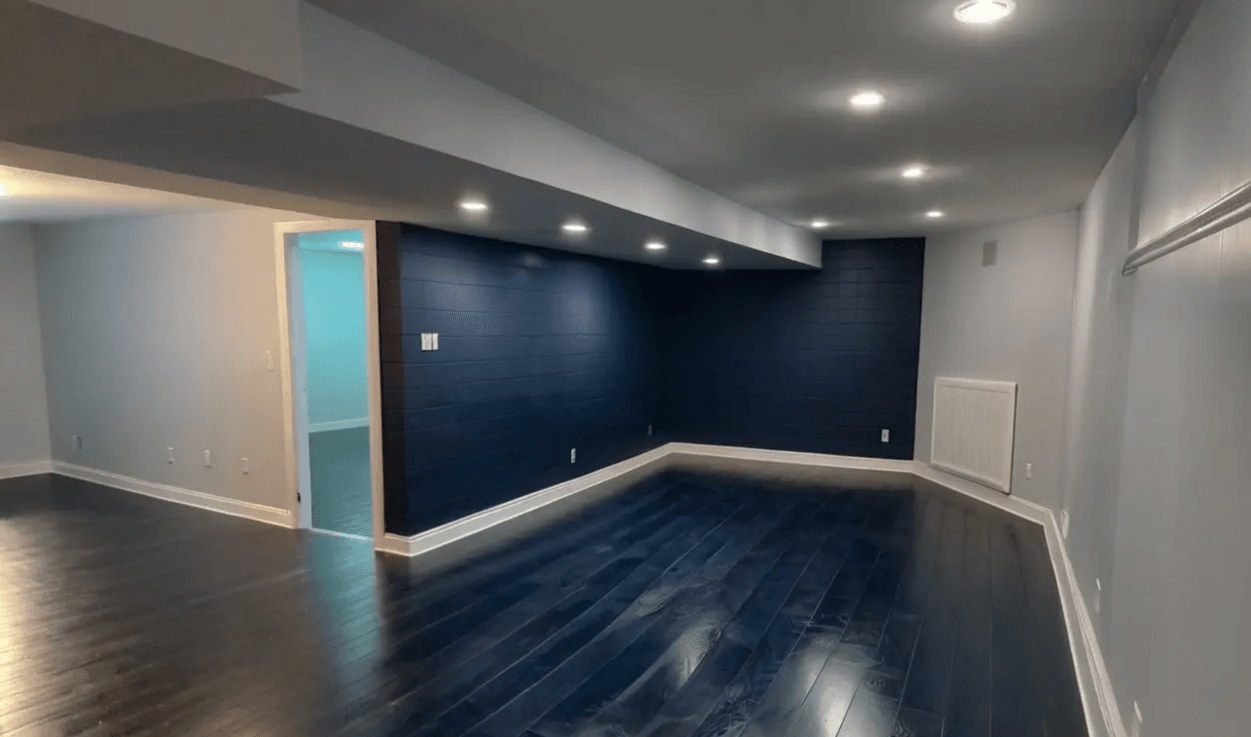
In many homes across Embrun and Casselman, the basement represents one of the most underutilized parts of the house. It often starts as a cold, unfinished area meant for storage, mechanical systems, and the occasional trip downstairs. Yet when thoughtfully remodeled, the basement can become one of the most valuable and functional spaces in the home — one that directly improves how families live day to day.
Basement remodeling is not just about adding square footage. It’s about improving flow, comfort, organization, and usability from the ground up. When every stage of the process is planned carefully — from layout to finishes — the basement becomes a seamless extension of the home rather than a disconnected lower level.
This guide walks through how basement remodeling improves daily living for homeowners in Embrun and Casselman, and why attention to detail at every stage makes all the difference.
Why Basements Often Fall Short of Their Potential
Most basements were not originally designed as living spaces. They were built for practicality, not comfort. As a result, homeowners commonly deal with:
- Cold concrete floors
- Low or uneven ceiling heights
- Poor lighting
- Limited insulation
- Awkward layouts
- No defined purpose
- Excess clutter and storage overflow
Over time, families adjust by avoiding the space altogether, even though they may feel cramped elsewhere in the home. Basement remodeling changes this dynamic by transforming unused square footage into purposeful living areas that support modern lifestyles.
Layout: The Foundation of a Successful Basement Remodel
Every effective basement remodel begins with layout planning. This stage determines how the space will function long before finishes are selected.
Designing With Purpose
A successful layout starts with one key question: How should this space be used every day?
Homeowners in Embrun and Casselman often choose layouts that support:
- Family living areas
- Home offices
- Guest accommodations
- Entertainment spaces
- Multi-purpose rooms
- Organized storage zones
Without a clear purpose, basements risk becoming large but ineffective rooms. With proper layout planning, every section of the basement has intention.
Working Around Structural Elements
Basements often include structural posts, mechanical systems, and bulkheads that influence design. Instead of fighting these elements, smart layouts incorporate them naturally by:
- Positioning seating and walkways under higher ceilings
- Blending bulkheads into ceiling lines
- Using columns as visual dividers between zones
- Creating storage or built-ins around obstructions
This approach allows the basement to feel balanced and functional rather than compromised.
Improving Flow and Movement
Daily living improves dramatically when a basement feels easy to move through. Poorly planned basements often feel segmented or awkward.
Layout improvements focus on:
- Clear pathways between zones
- Logical placement of doors and stairs
- Open areas where flexibility is needed
- Defined transitions between functional spaces
A well-designed layout reduces friction and makes the basement feel intuitive to use.
Comfort Comes Next: Making the Basement Livable
Even the best layout won’t succeed if the basement isn’t comfortable. Comfort is one of the biggest reasons homeowners remodel basements — especially in colder climates like Embrun and Casselman.
Temperature Control and Insulation
Cold basements discourage use. Remodeling addresses this by improving:
- Foundation wall insulation
- Rim joist sealing
- Air leaks and drafts
- Heating distribution
Once temperature is stabilized, the basement becomes usable year-round rather than seasonally avoided.
Subfloor Systems for Warmth
Concrete floors pull heat away from the body. Installing an insulated subfloor creates a barrier that dramatically improves comfort and makes flooring choices more flexible.
This small change has a big impact on how the basement feels day to day.
Lighting: Changing How the Space Feels
Lighting is one of the most transformative elements in a basement remodel. Because natural light is limited, artificial lighting must do more work.
Layered Lighting Design
Effective basement lighting includes:
- Overhead lighting for general brightness
- Task lighting for work or reading areas
- Accent lighting to add warmth and depth
Warm light temperatures prevent the space from feeling harsh or clinical.
Strategic Placement Matters
Proper lighting placement eliminates dark corners and makes ceilings feel higher and rooms feel larger. When lighting is planned alongside layout, the basement feels open and inviting.
Ceilings: Managing Height Without Sacrificing Style
Ceiling height is a common concern in basement remodeling. While raising ceilings isn’t always possible, smart design choices improve the perception of height.
This includes:
- Clean ceiling lines
- Thoughtful bulkhead placement
- Minimal visual clutter overhead
- Recessed lighting to reduce visual weight
The goal is to make the ceiling fade into the background instead of drawing attention.
Flooring That Supports Daily Living
Basement flooring must handle moisture, temperature variation, and daily use. Choosing the right flooring improves both durability and comfort.
Popular basement flooring options include:
- Luxury vinyl plank
- Engineered flooring
- Carpet or carpet tiles
- Durable, moisture-resistant materials
Flooring plays a major role in making the basement feel like a living space rather than a utility area.
Storage Integration Improves Organization
One of the biggest improvements homeowners notice after a basement remodel is better organization. Storage is most effective when it’s built into the design rather than added later.
Integrated storage solutions include:
- Built-in shelving
- Under-stair storage
- Dedicated storage rooms
- Cabinet systems that blend into living areas
This reduces clutter throughout the entire home, not just the basement.
Adding Functionality With Bathrooms and Flex Spaces
Many homeowners choose to include additional features in their basement remodel to improve functionality.
Basement Bathrooms
A basement bathroom increases independence and convenience, especially for:
- Guests
- Family living areas
- Home offices
- Entertainment spaces
When designed properly, basement bathrooms feel just as comfortable and finished as those on the main floors.
Flexible Rooms That Adapt Over Time
Basements often serve changing needs. A well-designed remodel allows spaces to evolve, such as:
- Playrooms becoming teen hangouts
- Offices becoming guest rooms
- Entertainment spaces becoming lounges
Flexibility ensures the basement remains useful long-term.
Moisture Control and Air Quality
Basements require careful attention to moisture and ventilation. Remodeling addresses this proactively through:
- Vapor barriers
- Improved airflow
- Proper ventilation systems
- Moisture-resistant materials
Good air quality improves comfort and protects finishes over time.
Finishes That Make the Basement Feel Complete
Finishes are the final step, but they have a big impact on daily experience.
This includes:
- Wall finishes that match the home’s style
- Trim and doors consistent with upper levels
- Thoughtful colour choices
- Durable, low-maintenance materials
When finishes align with the rest of the home, the basement feels integrated rather than separate.
How Daily Life Improves After Basement Remodeling
Once remodeled, homeowners in Embrun and Casselman often notice immediate lifestyle improvements:
- More room for family activities
- Less crowding on main floors
- Better work-from-home setups
- Improved organization
- Greater comfort during winter months
- More flexibility for guests and changing needs
The basement shifts from unused space to one of the most valuable areas of the home.
Long-Term Value Beyond Daily Comfort
While daily living improves immediately, basement remodeling also adds long-term value by:
- Increasing usable square footage
- Enhancing home functionality
- Improving resale appeal
- Supporting future lifestyle changes
A finished basement is one of the most attractive features for homeowners and future buyers alike.
Why Planning From Layout to Finish Matters
The difference between an average basement and a great one comes down to planning. When layout, comfort, lighting, storage, and finishes are considered together, the result is a space that works cohesively.
Skipping steps or rushing decisions leads to basements that look finished but don’t feel right. Careful planning ensures every detail supports daily living.
Final Thoughts
Basement remodeling in Embrun and Casselman is about more than finishing walls and floors. It’s about improving how a home functions from the inside out. From thoughtful layouts and comfort-focused design to durable finishes and integrated storage, each stage of the remodel plays a role in enhancing daily life.
When planned and executed properly, a basement remodel transforms underused square footage into a space that supports family life, adapts to changing needs, and adds lasting value to the home.
If your basement is still acting as storage or sitting unused, reimagining it from layout to finish could be the upgrade that changes how you experience your home every day.