
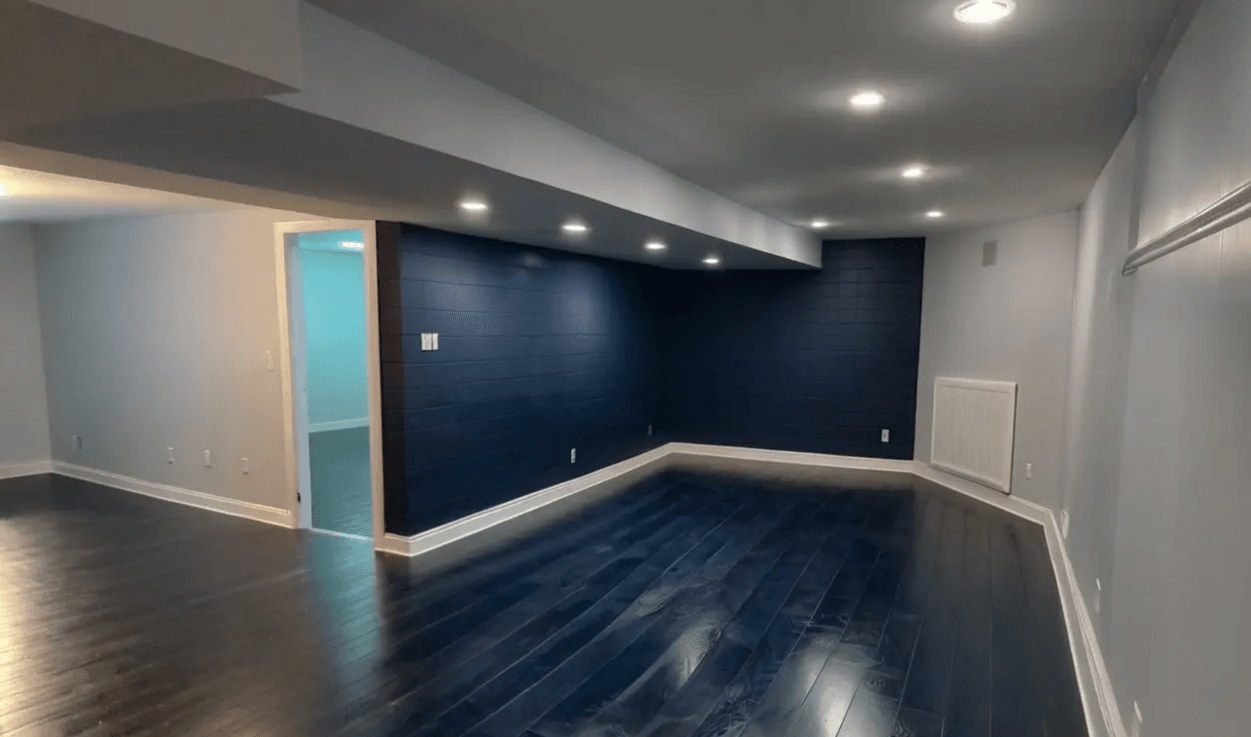
Across Eastern Ontario, basement remodeling has become one of the most popular ways for homeowners to add usable living space without expanding the footprint of the home. Whether transforming the lower level into a family room, guest suite, home office, or recreation space, finishing the basement can dramatically increase comfort and property value. However, basements in this region face unique challenges related to climate, moisture, and home construction. When these factors are overlooked, even well-intended renovations can lead to costly complications later.
Avoiding common mistakes is essential for creating a basement that not only looks attractive on completion but continues to perform well over time. This guide highlights the most frequent basement remodeling errors made in Eastern Ontario homes—along with practical insight into how homeowners can prevent them and achieve long-lasting, functional results.
Why Basements Require Special Planning in Eastern Ontario
Basements in Eastern Ontario are different from above-grade spaces for several reasons:
- Below-ground construction increases exposure to soil and moisture
- Freeze-thaw cycles put pressure on foundation walls
- Seasonal humidity can create condensation issues
- Temperature differences make comfort control more complex
- Older homes may not include modern drainage or insulation systems
Unlike main-floor renovations, basement projects demand careful preparation. The biggest mistakes often occur before the cosmetic work even starts.
Mistake #1: Finishing the Basement Before Addressing Moisture Issues
One of the most serious errors homeowners make is starting renovations without confirming the basement is dry and stable. Common oversight areas include:
- Ignoring early signs of moisture
- Failing to seal cracks in foundation walls
- Skipping drainage improvements
- Assuming a dehumidifier alone will solve moisture problems
Warning signs that should never be ignored:
- Damp or cold concrete surfaces
- Musty or persistent odours
- Efflorescence (white residue on walls)
- Staining or discoloration
- Peeling paint or bubbling finishes
Finishing a basement without first correcting moisture issues can result in damaged flooring, mold growth, and the need to tear out new work later.
Mistake #2: Installing Flooring Directly on Concrete
Concrete slabs in Eastern Ontario naturally hold moisture—even when they appear dry. Installing flooring directly on the slab is a common mistake that leads to:
- Warping and lifting of materials
- Cold, uncomfortable surfaces
- Trapped moisture beneath flooring
- Mold and mildew development
A proper subfloor system creates critical separation between the slab and finished flooring, improves insulation, and increases long-term comfort.
Mistake #3: Using the Wrong Wall Materials and Insulation
Basement wall assemblies require a different approach than upper levels. Frequent errors include:
- Using paper-faced drywall directly against foundation walls
- Installing fiberglass insulation without proper separation
- Blocking airflow between framing and concrete
- Adding vapor barriers in incorrect locations
These mistakes can trap moisture, leading to hidden damage. Proper wall systems allow controlled insulation and airflow while preventing condensation against cool surfaces.
Mistake #4: Poor Lighting Design That Makes the Space Feel Dark
Many homeowners underestimate how lighting affects basement usability and appearance. Common lighting-related mistakes include:
- Relying solely on one overhead fixture
- Using cool, harsh lighting that emphasizes shadows
- Skipping task or accent lighting
- Choosing dark finishes without compensating brightness
Because basements typically have limited natural light, layered lighting is essential for creating a warm, inviting environment.
Mistake #5: Ignoring Ceiling Height and Structural Clearance
Basements often contain mechanical components such as:
- Ductwork
- Plumbing lines
- Electrical wiring
- Support beams
Mistakes occur when homeowners:
- Install ceilings too low
- Build drywall over systems that require access
- Forget to plan around code-required clearances
A well-designed ceiling considers function, accessibility, and visual appeal—without creating future maintenance challenges.
Mistake #6: Overlooking Proper Ventilation and Air Circulation
Basements require good airflow to prevent stale air and humidity buildup. Common ventilation oversights include:
- Blocking vents with new walls
- Failing to extend HVAC distribution into new spaces
- Relying only on portable air systems
- Not considering air return pathways
Poor ventilation affects comfort, air quality, and moisture control—especially during humid Eastern Ontario summers.
Mistake #7: Adding Bedrooms Without Meeting Egress Requirements
One of the most significant and potentially dangerous mistakes is creating a basement bedroom without proper exit access. Common issues include:
- Windows that are too small
- Windows placed too high for safe escape
- Furniture blocking required clearance
A legal bedroom must include an appropriate emergency exit—not just for compliance, but for safety.
Mistake #8: Ignoring Soundproofing Needs
Basements often sit beneath active living areas. Without considering sound management, common problems include:
- Noise transfer from footsteps above
- Loud TVs or entertainment areas disturbing the main floor
- Mechanical sounds echoing throughout the basement
Simple upgrades such as insulation between floors, acoustic ceiling solutions, or strategic layout planning can significantly improve comfort.
Mistake #9: Using Materials Not Designed for Moisture Variations
Some products look appealing but are not intended for below-grade conditions. Mistakes include:
- Installing solid hardwood flooring
- Choosing carpet with organic backing
- Using wood-based trim in moisture-sensitive areas
- Applying finishes that peel or bubble under humidity shifts
Moisture-resistant and stable materials ensure long-term durability.
Mistake #10: Over-Designing the Space and Reducing Flexibility
Basements add the most value when they can serve multiple functions. Common design missteps include:
- Over-customizing the layout for a single purpose
- Building too many walls and shrinking open space
- Choosing fixed installations that limit future use
Flexible design allows the basement to adapt—whether for family needs, guests, hobbies, or resale.
Mistake #11: Forgetting About Storage and Mechanical Access
Basements often contain equipment such as:
- Water heaters
- Electrical panels
- Furnace units
- Sump pumps
Mistakes occur when these areas are boxed in or inaccessible. Every renovation should maintain:
- Clear access routes
- Adequate ventilation around mechanical systems
- Storage solutions that do not obstruct utilities
Ignoring these areas can lead to costly repairs and safety concerns.
Mistake #12: Underestimating Budget and Timeline Requirements
Basement remodeling can uncover surprises unrelated to cosmetic work, including:
- Structural adjustments
- Moisture correction
- Electrical upgrades
- Plumbing additions
Homeowners often underestimate costs when comparing basement renovations to upper-floor projects. Planning for contingencies prevents stress and delays.
How to Avoid These Basement Remodeling Mistakes
1. Start With a Thorough Assessment
Homeowners should evaluate:
- Foundation condition
- Moisture history
- Drainage performance
- Existing insulation
- Ceiling height and mechanical layout
A solid starting point prevents later setbacks.
2. Prioritize Structural and Environmental Needs First
Finishing materials should never go in before:
- Moisture control
- Insulation improvements
- Ventilation planning
- Subfloor installation
A healthy foundation ensures lasting results.
3. Plan the Layout Around Natural Light and Use
Common strategies include:
- Placing bedrooms near windows
- Reserving darker areas for storage or media rooms
- Designing open-concept spaces when possible
Good layout choices improve comfort and value.
4. Choose Durable, Moisture-Resistant Materials
Selections should support both appearance and performance for below-grade conditions.
5. Maintain Access to Mechanical Systems
Every renovation should include:
- Removable panels
- Clear working space
- Organized utility zones
Practical planning prevents future disruption.
6. Think Long-Term, Not Just Immediate Needs
Flexible design ensures the basement remains useful as household needs change.
Conclusion
Basement remodeling in Eastern Ontario offers homeowners a valuable opportunity to expand functional living space and increase overall home appeal. However, the unique conditions of below-grade environments require thoughtful planning and material selection. By avoiding common mistakes—such as finishing before addressing moisture, choosing unsuitable materials, blocking mechanical access, or overlooking ventilation—homeowners can ensure the space is comfortable, safe, and durable for years to come.
With the right approach, a finished basement becomes more than an extension of the home; it becomes a reliable, versatile, and highly enjoyable living area that supports everyday life while strengthening property value across all seasons.