
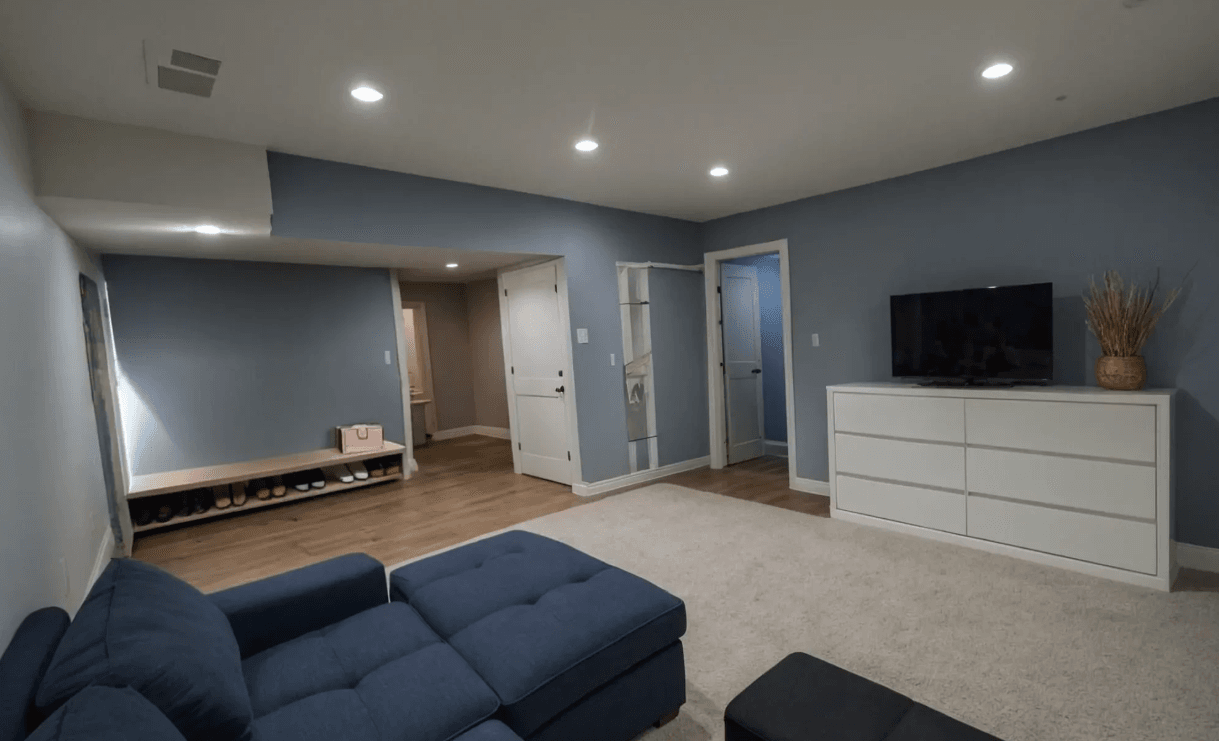
Finishing a basement is one of the most impactful home improvement projects a homeowner can undertake. For properties in Casselman and Limoges, transforming an unfinished basement into a functional, comfortable space not only adds living area but also increases property value. However, successful basement finishing requires careful planning, attention to detail, and knowledge of potential challenges.
Whether your goal is a family room, home office, guest suite, or secondary dwelling, understanding the process, costs, and necessary precautions will help ensure your project is both safe and cost-effective.
Why Basement Finishing Matters
Homeowners in Casselman and Limoges often overlook the value of an unfinished basement. Completing this space provides:
- Increased Living Space: Basements are typically underutilized, and finishing them effectively adds functional square footage.
- Higher Property Value: Finished basements are attractive to buyers, especially when they include bedrooms, bathrooms, or rental units.
- Improved Functionality: Modern layouts can accommodate family rooms, offices, gyms, or entertainment areas.
- Potential Rental Income: Legal secondary units or basement apartments can generate consistent monthly income.
- Energy Efficiency: Proper insulation and waterproofing reduce energy costs.
Searches like “basement finishing contractors near me” or “basement renovations Ottawa cost” reflect the growing interest in turning basements into valuable living spaces.
Step 1: Assess Your Basement’s Current Condition
Before starting any work, it’s essential to evaluate your basement’s structure and condition:
- Check for Moisture: Identify leaks, condensation, or water infiltration.
- Examine Structural Integrity: Look for cracks in foundation walls, sagging floors, or compromised support beams.
- Measure Ceiling Height: Building codes often require minimum heights for legal finishing.
- Assess Electrical and Plumbing: Determine whether upgrades are needed for new outlets, lighting, bathrooms, or kitchens.
A professional inspection is recommended to identify potential problems that could affect safety, compliance, and costs.
Step 2: Understand Local Regulations and Permits
Finishing a basement in Casselman or Limoges often requires permits, especially for:
- Structural modifications
- Plumbing or electrical work
- Secondary dwelling units
- Egress windows for bedrooms
Familiarize yourself with municipal building codes and zoning requirements. Hiring licensed basement finishing contractors ensures compliance and avoids costly legal or safety issues.
Step 3: Define the Purpose of Your Finished Basement
The intended use of your basement determines the design, layout, and required features:
- Family or Entertainment Room: Open layout with media setups and seating areas.
- Home Office: Soundproofing, dedicated lighting, and storage.
- Guest Suite: Bedroom, bathroom, and possibly a kitchenette.
- Secondary Dwelling Unit: Self-contained living space with private entrance, bathroom, and kitchen for rental purposes.
Defining the function early in the planning stage will guide material selection, room configuration, and structural changes.
Step 4: Plan Your Layout and Design
A functional layout is essential for long-term usability:
- Open vs. Divided Spaces: Open-concept layouts feel larger, while divided rooms provide privacy and flexibility.
- Storage Solutions: Built-in shelves, closets, and storage nooks maximize utility.
- Lighting: Basements often have limited natural light, so incorporate a combination of overhead, task, and accent lighting.
- Accessibility: Plan for ease of movement, especially if adding stairs or multiple rooms.
Proper layout planning helps prevent cramped or inefficient spaces.
Step 5: Address Moisture and Waterproofing
Moisture is one of the biggest challenges in basement finishing:
- Inspect for Leaks: Check foundation walls and floors for cracks or water stains.
- Install Vapor Barriers: Protect walls and floors from moisture intrusion.
- Sump Pumps or Drainage: Consider drainage systems for areas prone to water accumulation.
- Proper Ventilation: Helps reduce humidity and prevent mold growth.
Ignoring moisture issues can lead to long-term damage and increase maintenance costs.
Step 6: Choose Durable Materials
Basements have unique environmental challenges. Selecting the right materials improves durability and longevity:
- Moisture-Resistant Drywall: Prevents mold in damp areas.
- Flooring Options: Vinyl, engineered wood, or tile are ideal; avoid solid wood in moist areas.
- Insulation: Spray foam or rigid board insulation for energy efficiency and moisture control.
- Paint and Finishes: Use mold-resistant paints and finishes suitable for basement conditions.
High-quality materials save money and headaches in the long run.
Step 7: Plan Plumbing and Electrical Systems
Depending on the project, upgrades to plumbing and electrical may be necessary:
- Bathrooms and Kitchens: Require water supply, drainage, and proper venting.
- Electrical: Adequate outlets, lighting, and circuits to handle appliances and electronics.
- Heating and Cooling: Consider extending HVAC or adding zoned systems for comfort.
Professional contractors ensure that all systems are safe, efficient, and code-compliant.
Step 8: Budgeting Your Basement Project
Basement finishing costs vary depending on size, features, and design complexity. Factors include:
- Labor and professional installation
- Plumbing and electrical work
- Flooring, drywall, and insulation
- Bathrooms or kitchens
- Lighting and fixtures
- Permits and inspections
Homeowners searching for “basement finishing contractors cost” or “affordable basement finishing contractors” should obtain detailed quotes and account for unexpected expenses.
Step 9: Hiring Experienced Basement Contractors
Selecting a qualified team ensures quality and efficiency. Look for:
- Proven experience with basement projects
- Knowledge of local building codes
- Transparent pricing and timelines
- Positive reviews and project portfolio
Experienced contractors can identify hidden issues early, recommend appropriate materials, and execute work to last for years.
Step 10: Avoid Common Mistakes
Common mistakes to avoid during basement finishing include:
- Skipping a professional inspection
- Ignoring moisture or drainage issues
- Poor lighting design
- Choosing low-quality materials
- Underestimating project costs
- Failing to consider proper ventilation
Avoiding these pitfalls helps ensure a safe, functional, and attractive finished basement.
Step 11: Long-Term Benefits
A finished basement provides both immediate and long-term benefits:
- Increased Living Space: Adds rooms without expanding the home’s footprint.
- Higher Property Value: Attractive to buyers seeking move-in-ready homes.
- Rental Income Potential: Secondary units can provide steady income.
- Improved Comfort and Functionality: Customizable for family needs.
- Energy Efficiency: Proper insulation and ventilation lower utility costs.
These benefits make basement finishing one of the smartest investments for homeowners in Casselman and Limoges.
Step 12: Integrating With Other Home Improvements
Many homeowners combine basement renovations with additional upgrades:
- Bathroom remodeling
- Deck or backyard improvements
- Fencing installation
- Secondary dwelling construction
Integrating multiple upgrades increases efficiency, enhances design cohesion, and maximizes property value.
Final Thoughts
Finishing a basement in Casselman and Limoges is a transformative home improvement project. Proper planning, addressing moisture issues, selecting durable materials, and working with experienced contractors ensures a functional, attractive, and long-lasting space.
By understanding the process and anticipating potential challenges, homeowners can turn an underutilized basement into a highly valuable part of the home—whether for family use, entertainment, or rental purposes. With the right approach, a finished basement not only enhances daily living but also adds significant long-term value to your property.