
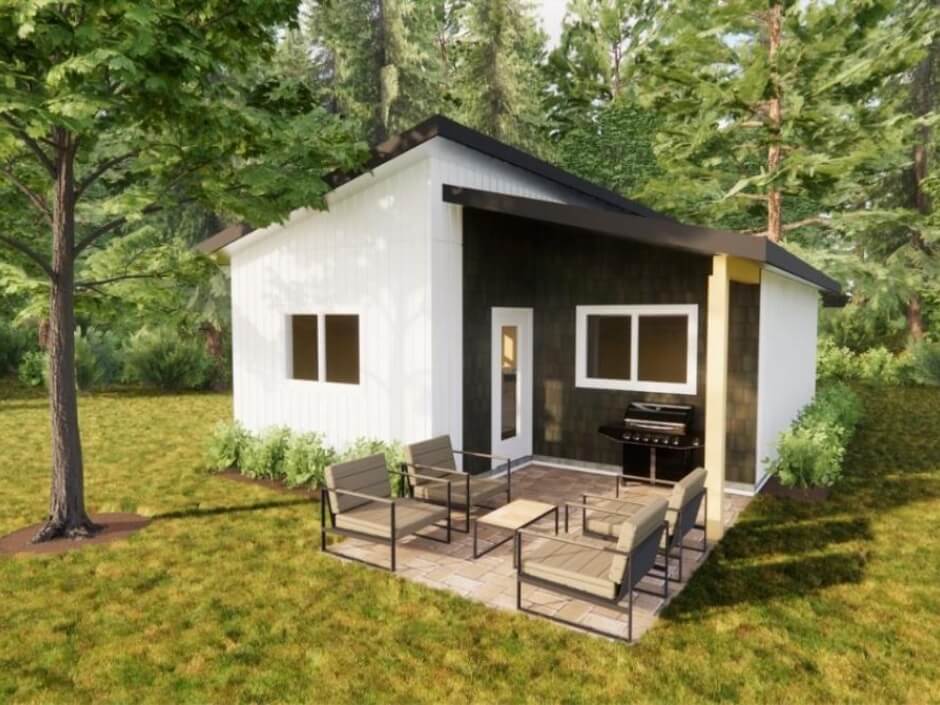
Secondary dwelling units are becoming one of the most in-demand home upgrades across Eastern Ontario. In growing communities like Rockland and Casselman, homeowners are looking for ways to maximize their property’s potential, generate additional income, and support multi-generational living.
Whether you are planning a basement apartment, in-law suite, or a fully separate living space, building a secondary dwelling unit requires careful planning, understanding of regulations, and smart design decisions. This guide walks through everything homeowners in Rockland, Casselman, Russell, Embrun, Limoges, St Albert, and Cumberland need to know before starting.
What is a Secondary Dwelling Unit
A secondary dwelling unit, often referred to as a legal basement apartment or accessory dwelling unit, is a self-contained living space within or attached to a primary residence.
It typically includes:
- A separate entrance
- Kitchen or kitchenette
- Bathroom
- Living and sleeping areas
In Rockland and Casselman, these units are becoming increasingly popular due to rising housing demand and the need for flexible living arrangements.
Why Homeowners Are Building Secondary Units
The demand for secondary dwellings is growing rapidly, especially in suburban and rural areas.
Homeowners in Rockland and Casselman are building these units to:
- Generate rental income
- Increase property value
- Accommodate extended family
- Create flexible living space
- Offset mortgage costs
Search trends like secondary dwelling builders near me and basement apartment cost Ottawa reflect how popular this option has become.
Step 1: Understand Local Zoning and Regulations
Before planning anything, it is critical to understand local bylaws.
In Rockland, Casselman, and surrounding areas, secondary dwelling units must comply with:
- Zoning regulations
- Building codes
- Fire safety requirements
- Parking requirements
- Minimum ceiling heights
Each municipality may have slightly different rules, so confirming what is allowed on your property is the first step.
Ignoring this can lead to costly redesigns or legal issues later.
Step 2: Decide the Type of Secondary Dwelling
There are several types of secondary units, and your choice will depend on your property and goals.
Basement Apartment
The most common option in Embrun, Limoges, and Cumberland. It uses existing space, making it more cost-effective.
In-Law Suite
Often located on the main floor or above a garage, ideal for family use.
Detached Secondary Unit
A separate structure built in the backyard, offering maximum privacy but higher costs.
Each option has different cost implications and design considerations.
Step 3: Budgeting and Cost Expectations
One of the most searched topics is cost, with homeowners looking for basement finishing contractors cost or secondary dwelling cost in Ottawa.
What Affects the Cost
- Size of the unit
- Structural modifications
- Plumbing and electrical upgrades
- Separate entrance construction
- Kitchen and bathroom installation
- Soundproofing and insulation
A simple basement conversion will cost significantly less than building a fully detached unit.
Step 4: Designing a Functional Layout
Design is one of the most important parts of planning a secondary dwelling.
In Rockland and Casselman, successful layouts focus on:
- Maximizing usable space
- Creating clear separation from the main home
- Ensuring natural light where possible
- Providing adequate storage
Open-concept layouts are popular because they make smaller spaces feel larger and more livable.
Step 5: Separate Entrance Requirements
A separate entrance is often required for legal secondary units.
Options include:
- Walkout basement entrances
- Side entrances
- Exterior staircases
This is one of the most important elements for both compliance and tenant privacy.
In areas like Russell and Cumberland, adding a separate entrance can significantly increase the value and functionality of the unit.
Step 6: Fire Safety and Soundproofing
Safety is a major factor in secondary dwelling construction.
Requirements often include:
- Fire-rated drywall and doors
- Smoke and carbon monoxide detectors
- Proper egress windows
- Separate heating and ventilation systems
Soundproofing is also critical, especially in basement units.
Using insulation, resilient channels, and sound-dampening materials helps create a comfortable environment for both occupants.
Step 7: Plumbing and Electrical Considerations
Adding a kitchen or bathroom requires careful planning of plumbing and electrical systems.
Key considerations include:
- Water supply and drainage
- Electrical panel capacity
- Separate metering (optional but beneficial)
- Heating and cooling systems
In Embrun, Limoges, and St Albert, older homes may require upgrades to support these additions.
Step 8: Choosing the Right Materials
Durability is especially important in secondary dwelling units, particularly in basements.
Recommended materials include:
- Moisture-resistant drywall
- Vinyl plank flooring
- Proper insulation systems
- High-quality fixtures for kitchens and bathrooms
Choosing long-lasting materials reduces maintenance and ensures the unit remains attractive to tenants.
Step 9: Working with Experienced Contractors
Many homeowners search for basement finishing contractors near me or secondary dwelling contractors near Rockland to find the right team.
A qualified contractor should:
- Understand local regulations
- Provide detailed estimates
- Have experience with similar projects
- Offer clear timelines and communication
Working with experienced professionals ensures the project is completed correctly and efficiently.
Step 10: Timeline Expectations
Building a secondary dwelling unit takes time and careful coordination.
Typical timelines include:
- Planning and design: 2 to 4 weeks
- Permits and approvals: 2 to 6 weeks
- Construction: 6 to 12 weeks
More complex projects, such as detached units, may take longer.
Step 11: Common Mistakes to Avoid
Homeowners in Rockland and Casselman should be aware of common planning mistakes.
Skipping Proper Permits
This can lead to fines and legal issues.
Underestimating Costs
Unexpected expenses can arise if the project is not properly planned.
Poor Layout Design
A poorly designed space will be less functional and less appealing to tenants.
Ignoring Soundproofing
Noise issues can create long-term problems in shared living environments.
Step 12: Rental Potential and Return on Investment
One of the biggest advantages of a secondary dwelling is rental income.
In areas like Rockland, Casselman, and Russell:
- Rental demand is increasing
- Affordable housing options are limited
- Well-designed units attract long-term tenants
A properly built unit can generate steady monthly income while increasing overall property value.
Integrating Secondary Units with Other Home Upgrades
Many homeowners combine secondary dwelling construction with other projects such as:
- Basement finishing
- Bathroom renovations
- Deck and backyard upgrades
- Fencing installation
In Cumberland, Embrun, and Limoges, creating a cohesive upgrade plan improves efficiency and enhances overall property appeal.
Long-Term Value of a Secondary Dwelling Unit
A secondary dwelling is one of the most strategic investments a homeowner can make.
Benefits include:
- Increased property value
- Additional income stream
- Greater flexibility for family living
- Improved use of existing space
As housing demand continues to grow in Rockland and Casselman, these units will become even more valuable.
Final Thoughts on Planning a Secondary Dwelling in Rockland and Casselman
Planning a secondary dwelling unit requires more than just construction. It involves understanding regulations, designing a functional space, and making smart long-term decisions.
For homeowners in Rockland, Casselman, Russell, Embrun, Limoges, St Albert, and Cumberland, the key to success lies in:
- Proper planning from the start
- Working with experienced professionals
- Focusing on quality and durability
- Designing with both comfort and functionality in mind
When done right, a secondary dwelling unit becomes a powerful asset that enhances both your lifestyle and your property’s value for years to come.