
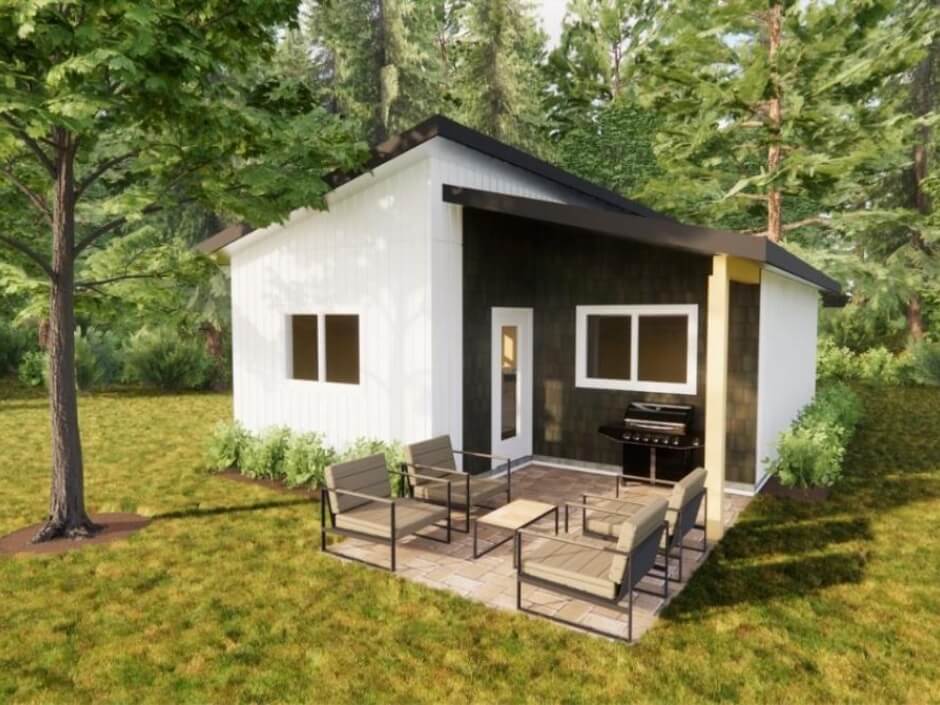
As families in Casselman and St. Albert evolve, many homeowners find themselves needing more space — whether it’s for aging parents, older children, guests, or even rental income. Instead of moving to a larger property, more residents are discovering the value of creating a secondary dwelling on their existing lot. These spaces offer privacy, comfort, and flexibility without uprooting the household.
A secondary dwelling can take many forms: a basement suite, a detached backyard unit, a converted garage, or a fully private lower-level apartment. No matter the structure or size, when designed correctly, it becomes a functional extension of the home that delivers long-term convenience and financial benefit.
This in-depth guide explores practical, modern, and highly effective design tips for Casselman and St. Albert homeowners who want to add more room through a beautifully planned secondary dwelling.
Why Secondary Dwellings Are Gaining Popularity
Before diving into design tips, it’s helpful to understand why secondary dwellings have become so important to families in Casselman and St. Albert.
Homeowners are turning to secondary suites for reasons such as:
- Supporting multi-generational living — aging parents or adult children need independent space
- Creating rental income — a self-contained suite provides long-term financial benefit
- Increasing home value — secondary dwellings are highly attractive to future buyers
- Adding functional space without major construction
- Offering privacy while keeping family close
For many, this solution strikes the perfect balance: more room, more flexibility, and more control over how the home is used.
Start With a Smart, Functional Layout
The layout is the foundation of any successful secondary dwelling. Homeowners in Casselman and St. Albert often work with basements or smaller structures, meaning the design must make the most of every inch.
A well-planned layout should include:
- A comfortable living area
- A functional kitchen or kitchenette
- A natural flow between spaces
- Clear separation between living and sleeping areas
- Efficient circulation
Open-concept floor plans work well in smaller dwellings because they eliminate unnecessary walls and maximize natural light. At the same time, strategic room placement ensures privacy and noise control.
Prioritize Natural Light Wherever Possible
One of the biggest challenges in secondary dwellings — especially basement suites — is limited natural light. Without intentional design, the space can feel dim or enclosed.
To counter this, homeowners can incorporate:
- Larger egress windows
- Light paint tones
- Reflective finishes
- Bright flooring choices
- Full-spectrum LED lighting
- Glass doors for interior rooms
In basement units, choosing materials with lighter textures and subtle warmth helps brighten the space while keeping it inviting.
Add a Private Entrance for Independence
Privacy is essential, especially when the secondary dwelling will house tenants, long-term guests, or extended family members. A private entrance creates a sense of independence, convenience, and safety.
When possible, a separate entrance offers benefits such as:
- No shared traffic through the main home
- Easier access for guests or renters
- More secure boundaries between both living areas
- A more professional setup for rental opportunities
Side entrances, walkout basements, and rear access points are commonly used in Casselman and St. Albert when building secondary dwellings.
Design a Comfortable, Efficient Living Area
A secondary suite should feel like a true home — warm, spacious, and livable. The living area is where this comfort begins.
Some design elements that elevate the living room include:
- Soft, warm lighting
- Durable and comfortable flooring
- Built-in shelving or compact storage
- Neutral wall colors that feel welcoming
- Multi-functional furniture for smaller spaces
The goal is to create a relaxed and adaptable environment that suits anyone who may live there.
Create a Highly Functional Kitchen or Kitchenette
A kitchen is often the heart of the secondary dwelling. Whether it’s a compact kitchenette or a full cooking area, it must be efficient and well-organized.
Important considerations include:
- Smart cabinet layout that maximizes vertical space
- Durable countertops
- Compact appliances designed for small spaces
- Easy-to-clean surfaces
- Proper ventilation
- Thoughtful lighting for cooking and prep
Even a small kitchen can feel spacious with the right design choices, such as open shelving or slender upper cabinets.
Plan a Practical, Beautiful Bathroom
A private bathroom is a must for any secondary dwelling. Since basements and auxiliary units can be tight on space, practicality matters even more.
Bathroom design essentials include:
- A walk-in shower to save space
- Efficient storage solutions
- Ventilation strong enough to prevent humidity issues
- Moisture-resistant finishes
- Adequate lighting for grooming and comfort
Even a compact bathroom can feel luxurious with simple touches like warm lighting, soft tile tones, and modern fixtures.
Think About Soundproofing and Privacy
With two households or two living zones under one roof, sound control becomes extremely important. In Casselman and St. Albert homes where the basement is converted, noise can travel unpredictably unless addressed.
Key soundproofing strategies include:
- Insulating the ceiling and shared walls
- Using sound-dampening drywall
- Installing solid-core doors
- Adding soft surfaces and rugs
- Isolating mechanical noises where possible
A well-insulated dwelling improves comfort for both the main home and secondary suite residents.
Make Storage a Central Part of the Plan
Even small secondary dwellings require thoughtful storage. Without it, the space quickly becomes cluttered.
Effective storage solutions include:
- Floor-to-ceiling cabinetry
- Under-stair shelving
- Built-in bench seating with hidden storage
- Wall-mounted organizers
- Closet systems with adjustable shelves
The more organized the space, the more comfortable and spacious it feels.
Use Materials That Add Warmth and Comfort
Material choices impact both durability and atmosphere. Basements and secondary dwellings benefit from materials that feel warm and welcoming.
Ideal choices include:
- Luxury vinyl flooring (comfortable, water-resistant, and stylish)
- Warm wood tones in cabinetry
- Soft color palettes
- Matte finishes that diffuse light
- Textured accents for visual interest
These choices help create a cozy environment that feels like a home instead of a secondary space.
Plan for Energy Efficiency and Comfort
Embrun and Limoges homeowners—like those in Casselman and St. Albert—understand how crucial comfort is during colder seasons. Secondary dwellings must be designed with energy efficiency in mind to maintain stable temperatures year-round.
Important features include:
- High-quality insulation
- Energy-efficient heating solutions
- Moisture barriers
- Updated windows
- Smart thermostats for comfort control
These upgrades not only enhance comfort but also reduce long-term energy costs.
Personalize the Space to Match the Intended Use
A secondary dwelling can serve many purposes, and the design should reflect its role.
Examples include:
For aging parents:
- Barrier-free shower
- Wider doorways
- Slip-resistant flooring
- Easy-access storage
For adult children or young couples:
- Large living area
- A full kitchen
- Modern finishes
- Multi-purpose layout
For rental income:
- Durable materials
- Easy-to-clean surfaces
- Neutral, appealing design
- Strong privacy features
For hobby or guest use:
- Flexible furniture
- Built-in storage
- A comfortable, inviting atmosphere
Knowing the purpose helps guide every design decision.
A Thoughtfully Designed Secondary Dwelling Adds Long-Term Value
One of the biggest reasons Casselman and St. Albert homeowners choose to build secondary dwellings is the lasting value they bring.
Advantages include:
- Expanded livable square footage
- Increased property value
- Revenue potential
- Flexible multi-generational living
- Enhanced lifestyle convenience
A well-designed secondary unit isn’t just a renovation — it’s an investment in comfort, functionality, and long-term financial strength.
Final Thoughts
Secondary dwellings are becoming one of the smartest ways homeowners in Casselman and St. Albert can add room, improve comfort, and prepare their property for the future. Whether the goal is family support, rental income, or simply better use of space, a thoughtfully designed unit transforms the home into something more adaptable and valuable.
With intentional planning, smart layouts, efficient amenities, and warm design choices, an unfinished basement or unused structure becomes a fully functional living space that feels natural, comfortable, and truly part of the home.